A Taste of Western Australia: Discovering the One-of-a-kind Cooking Practices in Local Food
Western Australia boasts a varied cooking landscape formed by its location and social heritage. From the abundant seafood harvested from its shores to Aboriginal ingredients that tell a tale of the land, regional cuisine shows an ingrained link to location. Chefs are progressively accepting lasting techniques, while multicultural influences include layers of intricacy to conventional meals. This combination produces a vibrant dining scene that welcomes expedition and discovery, hinting at the abundant experiences that wait for.
The Bounty of the Sea: Fresh Seafood Delights
Western Australia's coastline, a stretch of pristine waters and vibrant aquatic life, uses an exceptional variety of fresh seafood delights. Anglers collect an abundance of species such as delicious shellfishes, tender squid, and numerous fish that prosper in the nutrient-rich waters. The region's distinct location and pleasant climate add to the remarkable top quality and flavor of the fish and shellfish. Regional markets teem with newly captured prizes, where chefs and home chefs alike seek out the finest components. Dining establishments happily showcase these offerings, frequently prepared with very little disturbance to highlight their all-natural flavors. The culinary scene prospers on the connection between the ocean and the plate, permitting diners to experience the real essence of Western Australia's maritime bounty.
Aboriginal Ingredients: A Preference of Shrub Foods
The cooking landscape of Western Australia is additional enriched by the unification of indigenous active ingredients, which offer a special connection to the land and its background. Bush foods and native plants, such as finger limes, wattleseed, and bush tomatoes, are significantly included in contemporary recipes, showing the region's rich social heritage. These ingredients not just give unique flavors however likewise act as a demonstration of the sustainability practices of Aboriginal areas. Chefs are inspired by standard knowledge, using these components to create innovative recipes that highlight their dietary advantages. By embracing indigenous components, the cooking scene in Western Australia fosters a deeper recognition for the setting and the tales woven right into the textile of its food, commemorating both previous and present.
Farm-to-Table: Commemorating Local Generate
As local farmers and craftsmens collaborate to bring fresh produce to the table, the farm-to-table motion in Western Australia embellishments, emphasizing the relevance of community and sustainability. This effort links customers directly with the resources of their food, promoting seasonal ingredients and decreasing the carbon impact connected with long-distance transportation (Yorgo Kattan). Dining establishments and markets increasingly showcase regional produce, from lively vegetables and fruits to artisanal cheeses and meats, commemorating the region's abundant farming heritage. Cooks typically build their menus around what is offered from neighborhood ranches, promoting a deep regard for the land and its bounty. This technique not only enhances the flavor of meals yet additionally supports the neighborhood economic situation, creating a dynamic cooking culture rooted in the community
Multicultural Impacts: Blend Flavors of WA
Western Australia's culinary landscape is enriched by a mix of aboriginal components and global cooking strategies. This combination not only showcases the one-of-a-kind tastes of the region but additionally reflects the varied social impacts that shape its food scene. As chefs experiment with traditional aspects and contemporary methods, a dynamic tapestry of tastes emerges, inviting expedition and admiration.
Indigenous Ingredients Combination
While many culinary customs draw motivation from their environments, the combination of Aboriginal components in Western Australia showcases a distinct blend of flavors that mirrors the area's abundant multicultural tapestry. Regional cooks are significantly integrating native fruit and vegetables such as bush tomatoes, wattleseed, and quandongs right into their dishes. These components not only improve the culinary landscape however also pay homage to the conventional techniques of Indigenous areas. For example, the earthy notes of bush seasonings complement modern dishes, creating an unified blend of old and new. This melding of Indigenous tastes with diverse food preparation strategies highlights an expanding appreciation for the land's heritage, cultivating a deeper connection in between the cuisine and its social beginnings while motivating advancement in the cooking scene.
Worldwide Cooking Strategies
Influenced by a myriad of societies, the culinary scene in Western Australia flourishes on the combination of international techniques that develop unique blend flavors. Chefs in the region attract motivation from Asian, Mediterranean, and Center Eastern cuisines, blending conventional approaches with local active ingredients. This leads to cutting-edge recipes that reflect the varied cultural tapestry of WA. Strategies such as sous-vide and fermentation have located their way right into regional cooking areas, enhancing the quality and intricacy of flavors. Furthermore, the emergence of grocery read this post here store showcases road food that weds Western staples with cooking styles and international flavors. Because of this, Western Australia's culinary landscape comes to be a lively celebration of modern impacts, supplying a special dining experience that captivates both visitors and residents alike.
Cutting-edge Chefs: Redefining Traditional Dishes
As culinary landscapes develop, chefs in Australia are increasingly embracing innovation to rejuvenate conventional recipes. This trend sees them trying out regional active ingredients, integrating modern methods, and reimagining classic dishes. Conventional damper bread is now being instilled with native bush flavors, while the renowned meat pie is transformed with gourmet dental fillings and artisan crusts. Chefs are additionally concentrating on lasting practices, sourcing fruit and vegetables from regional farms and foraging for wild ingredients. This innovative strategy not just honors social heritage but likewise involves a brand-new generation of food enthusiasts. By redefining these meals, ingenious chefs are capturing this contact form the significance of Western Australia's one-of-a-kind cooking identification while urging a fresh recognition for its abundant customs.
Vibrant Local Markets: A Cooking Experience
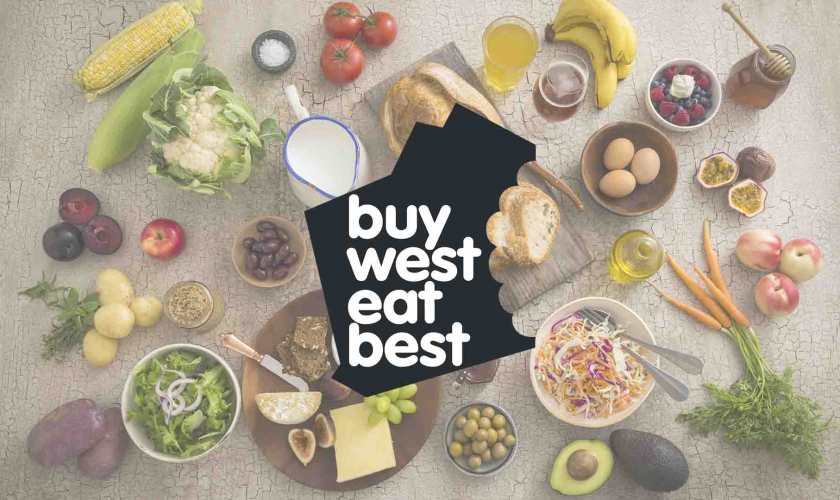
Vivid neighborhood markets in Western Australia showcase an abundance of fresh fruit and vegetables, mirroring the area's abundant farming heritage. These markets work as a hub for artisan food delights, where regional manufacturers use unique, handcrafted items. Site visitors experience a cooking adventure that highlights the variety and quality of the state's offerings.
Fresh Create Wealth
Markets in Western Australia pulse with life, showcasing an impressive array of fresh produce that reflects the region's farming richness. From vibrant fruits like avocados and mangoes to an abundance of vegetables, the neighborhood markets function as a depiction of the location's varied environment and productive land. Farmers proudly display their natural offerings, commonly collected simply hours prior to the marketplace opens up. Site visitors can find distinct selections of native natural herbs and bush tucker active ingredients that include distinctive flavors to neighborhood recipes. The dynamic atmosphere, filled with the sounds of chatter and laughter, enhances the experience, inviting all to taste and check out. Ultimately, these markets not just supply fresh produce however also foster a deep link to Western Australia's culinary heritage.
Artisan Food Delights
The wealth of fresh fruit and vegetables in Western Australia normally brings about the development of artisan food thrills that boost the cooking experience. Neighborhood markets, such as the Fremantle Markets and Margaret River Farmers Market, display a lively variety of handmade products, from gourmet cheeses to artisan breads and specialty maintains. These markets work as a celebration location for food enthusiasts, where they can connect with enthusiastic manufacturers committed to high quality and sustainability. Site visitors frequently locate distinct tastes inspired by the area's varied social influences, including Native ingredients and global culinary methods. This thriving craftsmen scene not only highlights the creativity of neighborhood cooks and producers yet additionally promotes a sense of area, inviting all to commemorate the rich tapestry of Western Australian cuisine.
A glass of wine and Dine: Exploring Western Australia's Wine Regions
How does one envelop the essence of Western Australia's a glass of wine regions? This vast location boasts remarkable click to find out more diversity, with distinguished areas such as Margaret River, Swan Valley, and Great Southern producing phenomenal red wines. The Margaret River area, commemorated for its Cabernet Sauvignon and Chardonnay, combines magnificent landscapes with shop vineyards that use immersive sampling experiences. Swan Valley, one of Australia's earliest red wine areas, is famous for its fortified wines and abundant social heritage, attracting site visitors to its lovely cellar doors. At the same time, the Great Southern region showcases a cooler climate, best for one-of-a-kind varietals like Riesling and Pinot Noir. Together, these areas exemplify Western Australia's dedication to quality winemaking, making it a must-visit location for a glass of wine fanatics and cooking travelers alike.
Frequently Asked Concerns
What Are Popular Eating Decorum Practices in Western Australia?
In Western Australia, preferred dining etiquette includes awaiting the host to begin the meal, using utensils appropriately, taking part in courteous discussion, and thanking the host later, mirroring regard and gratitude for the dining experience.
Where Can I Locate Food Preparation Courses for Local Cuisine?
Cooking classes for local food can be located at numerous cooking schools, neighborhood facilities, and local ranches throughout Western Australia. On-line platforms also provide virtual classes, providing available options for those interested in finding out regional food preparation techniques.
Are There Any Kind Of Food Festivals Celebrating Western Australian Cuisine?
Yes, numerous food celebrations celebrate Western Australian food, including the Margaret River Exquisite Getaway and the Perth Food Festival. These occasions showcase neighborhood fruit and vegetables, cooking skill, and one-of-a-kind tastes, drawing in food lovers from everywhere.
What Are Typical Dietary Restrictions Accommodated in WA Restaurants?
Western Australian dining establishments generally fit dietary restrictions such as gluten-free, vegetarian, vegan, and dairy-free choices - Yorgo Kattan. Numerous establishments additionally satisfy certain allergies, making certain diverse cooking experiences for individuals with different nutritional requirements and choices
How Can I Assistance Regional Farmers and Producers in WA?
Sustaining regional farmers and producers in WA can be attained by buying directly from farmers' markets, picking locally sourced components in restaurants, signing up with community-supported agriculture programs, and advocating for neighborhood food campaigns within the area.
:max_bytes(150000):strip_icc()/TAL-chef-portrait-food-dishes-WESTERNAUSTRALIA1224-64b8438a1ac2411f9c3ad2faeda11ef9.jpg)